
The story of how we traded a handful of grain for a digital digit on a screen is nothing short of a cinematic epic. It began long before the first coin was ever struck in a cold, ancient mint. Humans have always possessed a deep-seated need to quantify value and exchange their hard work for something useful. This drive led to the creation of complex systems that mirror the growth of civilization itself.
Understanding the history of money is essentially understanding the history of human trust and cooperation. By looking back, we can see how primitive bartering evolved into the sophisticated financial theories that govern our modern world. It is a journey through time that reveals as much about our psychology as it does about our economics. Let’s dive into how the very concept of “value” shifted from tangible goods to abstract thoughts.
Money is not just paper or metal. It is a shared story we all agree to believe in. Without this collective belief, the entire global economy would vanish overnight. From seashells to gold bars, the medium has changed, but the intent remains the same. This article explores how we reached this point.
The Primitive Foundation of Barter

The earliest form of commerce was the direct exchange of goods and services. If you had extra fish and needed wheat, you had to find a farmer who was specifically craving seafood. This system worked for small tribes but hit a wall as communities grew.
A. The lack of a common measure made pricing nearly impossible.
B. The “double coincidence of wants” was the biggest hurdle for traders.
C. Perishable goods meant wealth could literally rot away in days.
D. Transporting bulky items for trade was physically exhausting.
Commodity Money and Intrinsic Value
Eventually, people realized they needed a middleman—an object everyone agreed was valuable. These items were usually useful or rare, like salt, cattle, or precious stones. This was the birth of commodity money, where the currency had value in itself.
A. Salt was so valuable it was used to pay Roman soldiers.
B. Cowrie shells became a dominant currency across Africa and Asia.
C. Livestock provided a “walking” bank account that could reproduce.
D. Tobacco and furs served as currency in early American colonies.
The Metallist Theory and the Rise of Coins
As societies became more organized, metals took center stage. Gold and silver were durable, portable, and easily divisible into smaller units. This led to the creation of standardized coins, which removed the need to weigh metal at every transaction.
A. Lydian lions are often cited as the first true coins.
B. Minting allowed governments to guarantee the purity of the metal.
C. Standardized weight created a universal language for local markets.
D. Coins made taxation and military funding much more efficient.
The Credit Theory of Money
Some historians argue that money didn’t start with coins, but with debt. The Credit Theory suggests that money is simply a record of who owes what to whom. Even before coins, ancient civilizations used clay tablets to track obligations.
A. Tally sticks in medieval Europe recorded debts through notches in wood.
B. Temple records in Mesopotamia served as the first accounting ledgers.
C. Money functions as a “claim” on future goods or services.
D. Trust in the issuer is more important than the material used.
Representative Money and the Gold Standard
Carrying heavy chests of gold was risky and inconvenient for merchants. This gave rise to paper receipts issued by banks or goldsmiths. These pieces of paper represented a specific amount of gold stored in a vault.
A. The first banknotes appeared in China during the Song Dynasty.
B. European goldsmiths issued receipts that people began using as cash.
C. The Gold Standard linked the value of a nation’s currency to its gold reserves.
D. This system provided a high level of price stability for decades.
Fiat Money and State Authority
Today, most of the world operates on “fiat” money. This currency has no intrinsic value and isn’t backed by a physical commodity like gold. Its value comes entirely from government decree and the public’s faith in the economy.
A. Central banks control the supply of money to manage inflation.
B. Fiat systems allow for more flexible responses to economic crises.
C. Legal tender laws require citizens to accept the currency for debts.
D. The shift away from gold allowed for massive global economic expansion.
The Digital Transformation
We are now entering an era where money is becoming purely digital. Most of our wealth exists as bits and bytes in a cloud-based server. Physical cash is becoming a rarity in many parts of the developed world.
A. Credit cards turned spending into a seamless electronic process.
B. Online banking allows for the instant transfer of millions.
C. Cryptocurrencies introduce the idea of decentralized, math-based money.
D. Central Bank Digital Currencies (CBDCs) are the next frontier.
The Psychology of Value
Why do we work forty hours a week for a digital paycheck? The answer lies in the psychological theories of money. Money is a tool for social status, security, and the freedom to make choices.
A. Subjective value theory explains why one person treasures what another ignores.
B. Money acts as a social lubricant that enables cooperation between strangers.
C. The perception of scarcity drives the demand for specific currencies.
D. High inflation can destroy the social contract by eroding trust.
The Role of Central Banking
Modern money cannot be discussed without mentioning the institutions that manage it. Central banks act as the guardians of a currency’s purchasing power. They use complex tools to keep the economy from overheating or freezing up.
A. Interest rate adjustments influence how much people borrow and spend.
B. Open market operations help control the total money supply.
C. Central banks serve as the “lender of last resort” during panics.
D. Their independence from politics is crucial for long-term stability.
Money as a Tool of Sovereignty
Currency is often a symbol of a nation’s power and independence. When a country issues its own money, it asserts control over its economic destiny. This is why the creation of the Euro was such a massive geopolitical event.
A. Seigniorage is the profit a government makes by issuing currency.
B. Currency wars occur when nations devalue money to boost exports.
C. Global reserve currencies, like the Dollar, grant immense influence.
D. Losing control of a currency often leads to political upheaval.
Conclusion
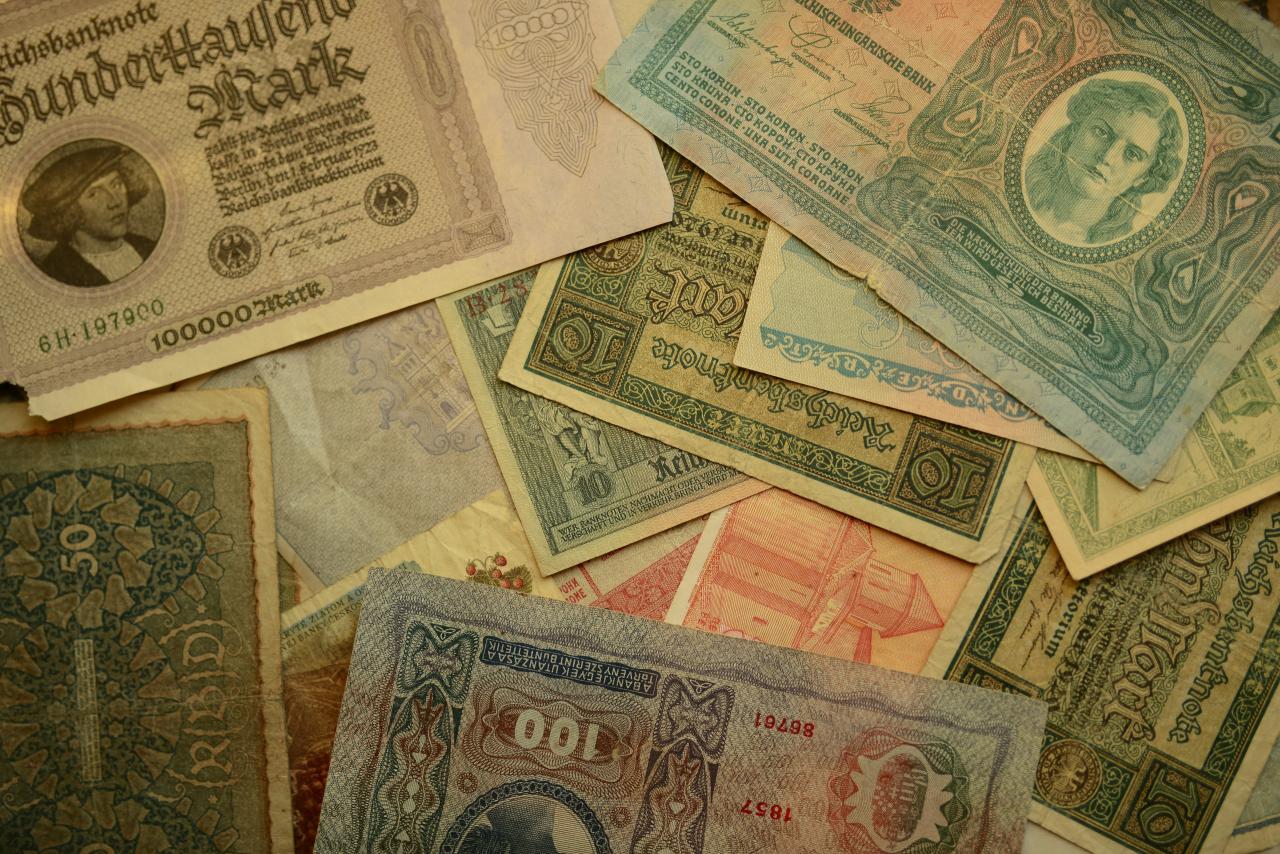
Money has transformed from a simple tool into the lifeblood of our species. It started as a physical necessity to survive and trade.
Today it exists as a complex web of trust and technology. The history of currency shows that we are constantly innovating. We find new ways to define what is valuable and why. This journey from shells to bits is far from over. Each step forward brings new theories and unique challenges. Understanding this past helps us predict the future of finance. Value is ultimately whatever we all agree it should be.